

Sustainable Packaging 101: Why Reusable Materials Are the Future
Sustainable packaging is no longer just a trend. It is becoming a necessity. As businesses face increasing environmental regulations and customers actively seek eco-friendly products, companies across industries are rethinking the way they package, transport, and store goods. The conversation around sustainability is no longer limited to recycling. Today, businesses are exploring reusable packaging solutions that reduce waste, improve operational efficiency, and support long term sustainability goals. The foundation of this shift lies in choosing the right packaging materials. In this article we explore what sustainable packaging means, why reusable materials are gaining popularity, and how businesses can benefit from making the transition.
The conversation around sustainability is no longer limited to recycling. Today, businesses are exploring reusable packaging solutions that reduce waste, improve operational efficiency, and support long term sustainability goals. The foundation of this shift lies in choosing the right packaging materials.
In this article we explore what sustainable packaging means, why reusable materials are gaining popularity, and how businesses can benefit from making the transition.
What is Sustainable Packaging?
Sustainable packaging refers to packaging materials and systems that minimise environmental impact throughout their entire lifecycle. This includes sourcing, manufacturing, transportation, usage, reuse, and eventual disposal.
A truly sustainable packaging solution should:
- Reduce waste generation
- Minimize resource consumption
- Support reuse or recycling
- Lower carbon emissions
- Deliver long term performance
While recyclable packaging remains important, sustainability is increasingly measured by how long a material can remain in use before replacement becomes necessary.
Why Reusability Matters More Than Recyclability
Recycling plays an important role in waste management. However, global recycling systems continue to face significant challenges such as material contamination, inconsistent infrastructure, and limited processing capabilities.
Reusable packaging addresses these issues by extending the lifespan of packaging materials before recycling is required. Instead of managing waste after it is created, reusable packaging prevents waste generation at the source.
Reusable materials help businesses:
How Reusable Packaging Supports a Circular Economy
The shift from disposable packaging to reusable packaging solutions is a critical part of the circular economy. Unlike single use packaging, reusable materials are designed to withstand repeated handling, transportation, storage, and cleaning cycles. This allows packaging to remain in circulation for years rather than days.
A circular packaging model delivers benefits across the supply chain. Manufacturers can reduce annual packaging procurement costs and improve operational efficiency. Logistics providers can minimise product damage and reduce packaging losses. Retailers can lower packaging waste and improve storage efficiency, while consumers increasingly support brands that demonstrate sustainability initiatives.
Businesses adopting reusable industrial packaging also strengthen their ESG performance by reducing waste and improving resource utilisation.
The Materials Driving the Future of Sustainable Packaging
Several materials are currently being adopted for reusable packaging applications. These include engineered polymers, reinforced paperboards, moulded fibre products, reusable textile packaging, and metal based systems.
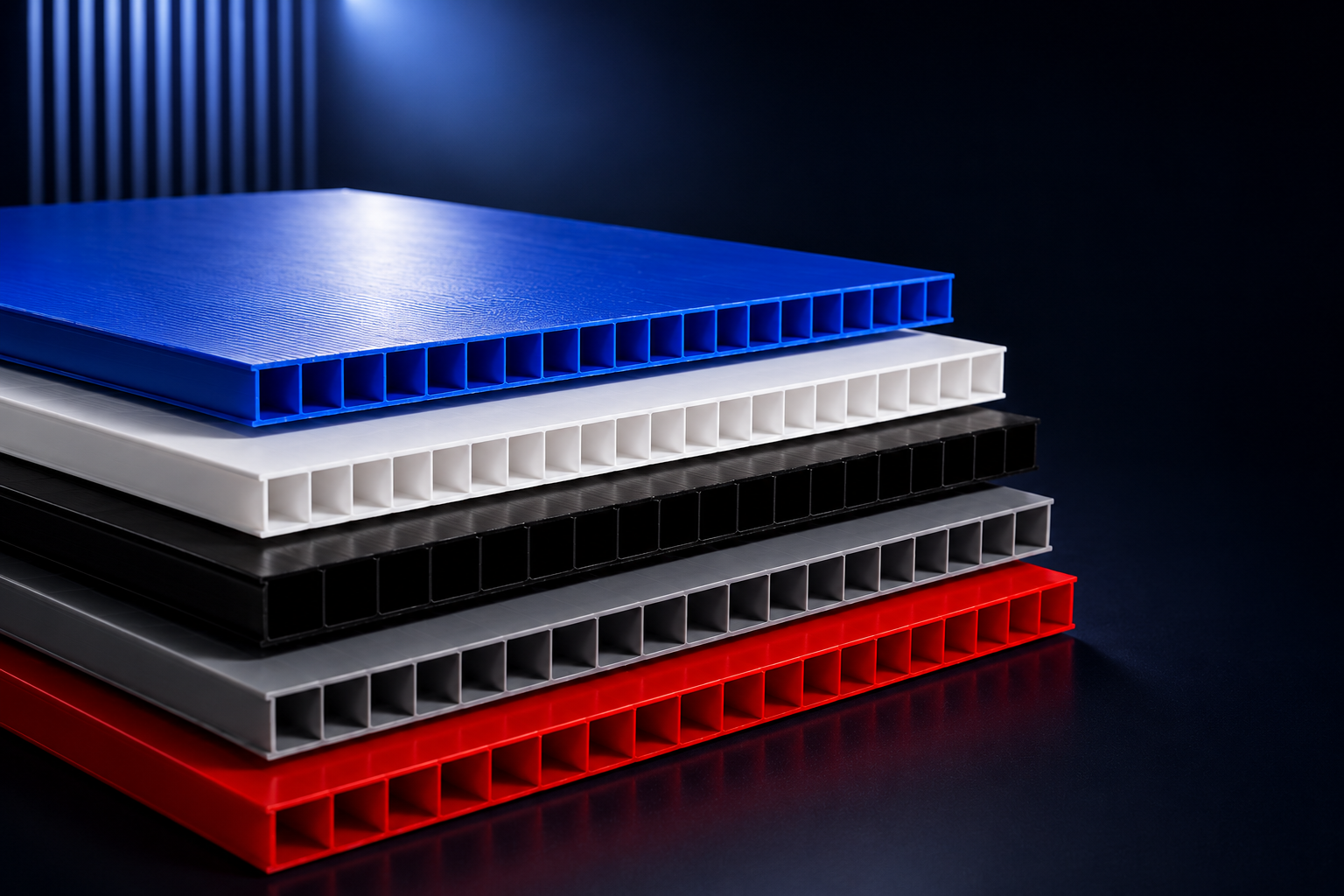
Among these, PP Corrugated Sheets have emerged as one of the most preferred materials for industrial and logistics applications because they offer an ideal balance of durability, lightweight construction, and recyclability.
Why PP Corrugated Sheets Are Gaining Popularity
PP Corrugated Sheets offer several advantages that make them suitable for industrial and commercial packaging applications.
Key benefits include:
These sheets can be converted into a wide range of products including PP Corrugated Boxes, industrial packaging containers, returnable transit packaging, material handling trays, warehouse storage bins, and automotive packaging solutions.
Learn more about our PP Corrugated Sheets, Industrial Packaging Solutions, Automotive Packaging Solutions, and Custom PP Corrugated Boxes.
The Business Case for Reusable Packaging
Sustainable packaging is not only environmentally responsible. It also makes strong business sense.
Reusable packaging systems can significantly reduce total cost of ownership by lowering:
- Replacement costs
- Transit damage
- Disposal expenses
- Labour costs
- Inventory losses
For businesses operating large distribution networks, even modest improvements in packaging lifespan can generate substantial long term savings. Custom reusable packaging systems can also improve supply chain visibility, product protection, and operational efficiency.
Common Myths About Reusable Packaging
Myth 1: Sustainable Packaging Is Less Durable
Modern reusable packaging materials are specifically engineered to withstand demanding industrial environments and often outperform traditional disposable packaging.
Myth 2: Switching to Reusable Packaging Is Expensive
While initial investment may be higher, reusable packaging typically delivers lower lifetime costs because of reduced replacement and disposal requirements.
Myth 3: Reusable Packaging Requires a Complete Supply Chain Overhaul
Many organizations begin by replacing only high loss or high damage packaging categories. They then gradually expand their reusable packaging programmers over time.
Conclusion
Sustainable packaging is not defined by a single material or technology. It represents a fundamental shift in how businesses view packaging, resource utilization, and long term value creation.
Reusable materials such as PP Corrugated Sheets demonstrate that sustainability and performance can coexist. By prioritizing reuse over disposal, businesses can reduce environmental impact, improve operational efficiency, lower packaging costs, and strengthen sustainability goals.
The future of packaging is not only about what can be recycled. It is about what can be used again and again before recycling is required.